Tuesday Inspiration: Every Small Step Counts on the Journey to Success | LOWEF Empowerment Message Introduction In a world that often celebrates only big achievements, it is easy to overlook the quiet but powerful steps that lead to real transformation. Success is not built in a single moment—it is built daily through consistency, discipline, and intentional growth. At Launch Out Women Empowerment Foundation (LOWEF) , we believe that every woman carries the potential to rise above limitations and create a meaningful impact in her home, community, and generation. This Tuesday inspiration is a reminder that your small steps are not insignificant—they are the foundation of your future success. The Power of Small Steps Many women feel discouraged because their progress seems slow or unnoticed. However, true growth is rarely instant. It is the result of small, consistent actions taken over time. Small steps may include: Learning a new skill Saving a small amount regularly R...
What Does the Bible Say About Women in Ministry? The Truth May Surprise You
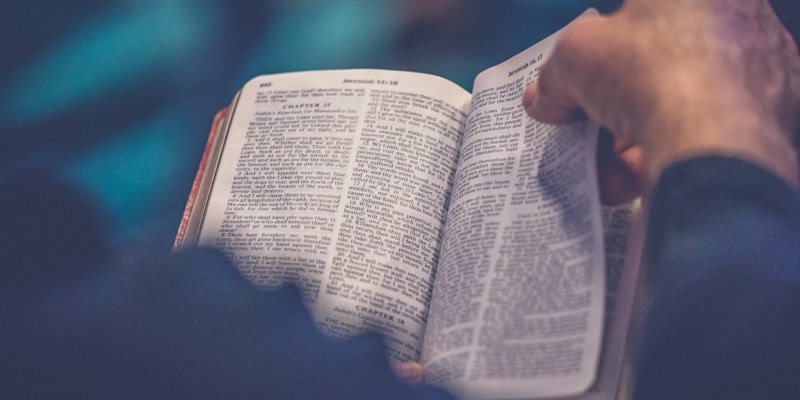
Photo by Priscilla Du Preez on Unsplash
You've heard the question whispered in church hallways. You've seen women step down from pulpits because someone quoted a verse. You've wondered yourself: "Can God really use me in ministry, or am I stepping outside His design?"
I'm an ordained female minister. I've wrestled with these passages for years. And I want to tell you: the truth is more beautiful than either extreme — the one that silences women completely or the one that ignores what the Bible actually says.
Let's walk through what Scripture really teaches about women in ministry. No agenda. No fear. Just the Word and context.
The Surprising Pattern of Women in the Bible
Before we get to the debated verses, look at the whole picture. God placed women in leadership repeatedly — without apology.
📖 Judges 4:4-5 — "Deborah, a prophet, the wife of Lappidoth, was leading Israel at that time. She held court under the Palm of Deborah... and the Israelites went up to her to have their disputes decided."
Deborah wasn't just a prophet. She was a judge — the highest civil and military authority in Israel. God didn't say "only men can lead." He raised up a woman.
📖 Exodus 15:20 — "Miriam the prophet, Aaron's sister, took a tambourine in her hand, and all the women followed her."
Miriam led worship and prophecy alongside Moses and Aaron. No one told her to be quiet.
📖 Luke 8:1-3 — Jesus traveled with "Mary called Magdalene... Joanna... Susanna; and many others. These women were helping to support them out of their own means."
Jesus broke every cultural rule. He taught women, traveled with women, and entrusted the most important announcement — His resurrection — to a woman. Not one word from Him forbids women from ministry.
✨ Key insight: The Bible's consistent pattern is that God calls, equips, and elevates women for spiritual leadership — from Miriam to Deborah to Huldah the prophet (2 Kings 22) to Mary Magdalene to Phoebe.
The New Testament Women You Weren't Told About
Paul gets blamed for silencing women. But read his letters carefully. He worked closely with female leaders.
📖 Romans 16:1-2 — "I commend to you our sister Phoebe, a deacon of the church... She has been a benefactor of many people, including me."
Deacon is the same word used for male deacons in 1 Timothy 3. Phoebe held an official church office.
📖 Romans 16:3-4 — "Greet Priscilla and Aquila, my co‑workers in Christ Jesus... All the churches of the Gentiles are grateful to them."
Priscilla is named first — possibly because she was the more prominent teacher. She and Aquila explained the gospel to Apollos (Acts 18:26). She taught a man.
📖 Romans 16:7 — "Greet Andronicus and Junia, my fellow Jews who have been in prison with me. They are outstanding among the apostles."
Junia was a woman. Paul called her "outstanding among the apostles." A female apostle. This is so clear that later scribes tried to change the name to "Junias" (male).
The Two "Problem" Passages — Explained
You've heard 1 Timothy 2:12 and 1 Corinthians 14:34 used to silence women. Let's look at them honestly.
1 Timothy 2:12 — "I do not permit a woman to teach or have authority over a man."
This verse is often pulled from its context. Paul was writing to Timothy in Ephesus, a city dominated by the cult of Artemis — where women were priestesses spreading false teaching. So Paul says: "I do not permit a woman [in this specific false‑teaching situation] to teach or domineer over a man."
The Greek word for "authority" here is authentein — a rare word that often means "to usurp authority" or "to domineer." Paul elsewhere affirms women teaching men (Priscilla teaching Apollos) and women prophesying in worship (1 Corinthians 11:5).
The principle is not "no women ever." The principle is "no unqualified, false teachers — male or female — should domineer."
1 Corinthians 14:34 — "Women should remain silent in the churches."
Again, context. Corinth was a chaotic church with people shouting over each other. In chapter 11, Paul already allowed women to pray and prophesy (speak) in church — just with head coverings. So "silence" here likely refers to disruptive chatter, not all speech. Or it's a specific instruction to uneducated women who were asking questions loudly in worship.
You can't take one verse and ignore the clear evidence elsewhere (women prophesying, teaching, leading).
📖 Galatians 3:28 — The Great Equalizer
"There is neither Jew nor Gentile, neither slave nor free, neither male nor female, for you are all one in Christ Jesus."
If we are one in Christ in salvation, why would that oneness stop at ministry?
"There is neither Jew nor Gentile, neither slave nor free, neither male nor female, for you are all one in Christ Jesus."
If we are one in Christ in salvation, why would that oneness stop at ministry?
What About Pastors? Where Are the Women Pastors in the Bible?
The word "pastor" (poimen) appears once as a church office (Ephesians 4:11) without gender restriction. The qualifications for elder/overseer in 1 Timothy 3 are written in masculine grammar because the original audience was male. But that doesn't exclude women — the same grammar issue appears in instructions to slaves and husbands, but women still applied the principles.
Ultimately, the question is: Does God call women to preach, teach, and lead? If He does — and history shows He has (Phillips, Booth, Kuhlman, countless missionaries) — then we should not forbid what God blesses.
Internal link: This topic connects deeply to the silent struggles of a pastor's wife — many of whom are called to ministry themselves.
Where I Land (As an Ordained Woman)
I don't believe every woman must be in pulpit ministry. That's between her and God. But I do believe the Bible does not forbid women from any ministry role the Spirit gifts them for. The same tests of character, doctrine, and calling apply to men and women equally.
If God has put a fire in your bones to preach, to lead, to teach — don't let a misread verse silence you. Study the Scriptures. Get training. Submit to godly authority. And step into your calling.
FAQ: Women in Ministry Bible
📖 What does the Bible say about women in ministry?
The Bible shows women in leadership: Deborah as judge, Miriam as prophet, Phoebe as deacon, Priscilla as teacher, Junia as apostle. Passages like Galatians 3:28 declare equality in Christ. The debate often centers on 1 Timothy 2:12 and 1 Corinthians 14:34, which need context.
👩🏫 Can a woman be a pastor according to the Bible?
There is no verse that says 'a woman cannot be a pastor.' The word 'pastor' is a gift given by the Spirit (Ephesians 4:11). Women like Phoebe and Priscilla functioned in teaching and leadership roles. Many complementarians argue for restrictions, while egalitarians see full inclusion.
✝️ What did Jesus say about women in ministry?
Jesus broke cultural norms: He taught women, revealed His resurrection first to a woman, and had female disciples. He never forbade women from ministry. His treatment of women affirmed their value and calling.
🏛️ What is the role of women in church leadership?
Women serve as prophets, teachers, evangelists, deacons, and in some traditions as elders and pastors. The New Testament shows women leading house churches, teaching, and praying/prophesying in worship.
⚖️ What does 1 Timothy 2:12 mean about women teaching?
The phrase likely addressed a specific situation in Ephesus: false teaching by women influenced by Artemis cult. The Greek word for 'authority' (authentein) appears only here, possibly meaning 'domineer.' Paul elsewhere affirms women teaching (Acts 18:26, Titus 2:3-4).
📘 Go Deeper: Women in Ministry Bible Study
A 6‑week inductive study on every scripture about women in leadership. Perfect for personal or group study.
Get the Bible Study on Selar →
Photo by Aaron Burden on Unsplash
Are You Called to Ministry?
God doesn't waste a calling. If you've been wrestling with this, I want to pray with you.
👇 Join the conversation 👇
Comment below: “I am called” or share your story.
🔥 SUBSCRIBE FOR WEEKLY TEACHING— Mfon Obioma, Prayer Shift
Comments
Post a Comment